

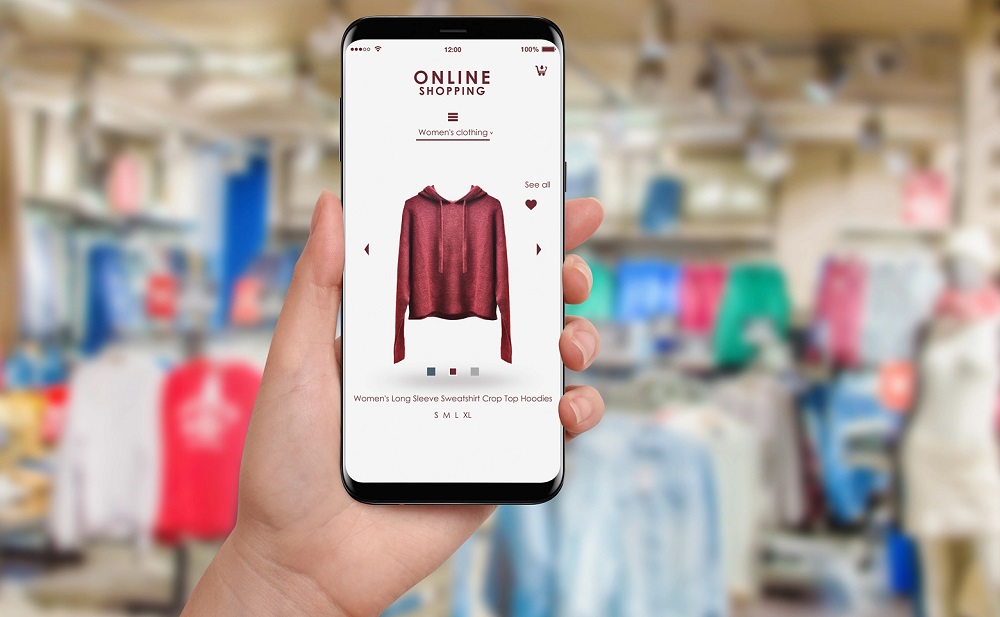
The landscape of digital commerce has shifted from a model of mass retail to one of extreme individualization. In the early days of electronic commerce, online storefronts operated much like digital catalogs, displaying an identical assortment of products, pricing, and promotional banners to every visitor regardless of their background or intent. Today, that static approach has been replaced by real-time personalization.
When a modern consumer logs onto a premier retail platform, they enter a dynamically rendered ecosystem tailored precisely to their behavioral history, aesthetic preferences, and immediate situational context. This shift is reshaping how brands engage with consumers, optimize supply chains, and build long-term brand equity.
The Technological Engine Behind Hyper-Personalization
The transition from basic segmentation to accurate hyper-personalization is driven by advanced machine learning models, predictive data architectures, and real-time computation.
Processing Complex Behavioral Signals
To construct a truly individualized experience, e-commerce platforms must continuously process billions of fragmented behavioral data points. Advanced analytics systems track clickstream data, which records the exact path a user takes through a website, alongside search queries, hover times, and historical purchase records.
By analyzing how long an individual lingers on a specific product description or whether they interact with user reviews, machine learning algorithms discern underlying buying intent long before a product is formally added to a shopping cart.
Predictive Recommendation Topologies
Modern product recommendation engines have evolved far beyond basic collaborative filtering models that merely suggest items under the premise of people who bought this also bought that. Today, systems utilize deep neural networks that evaluate context alongside history.
The system recalculates options in real time based on fluctuating external variables, such as local weather patterns, seasonal transitions, macroeconomic indicators, and current device types. For instance, an algorithm can automatically feature insulated waterproof outerwear to a user browsing from a northern metropolis experiencing a sudden drop in temperature, while simultaneously displaying lightweight linen apparel to a user connecting from a tropical climate.
Transforming the Digital Storefront
Personalization alters every component of the user interface, ensuring that the digital journey requires minimal cognitive effort from the consumer.
Dynamic User Interfaces and Intentional Navigation
In a personalized online storefront, the visual layout changes depending on the user profile. First-time visitors are typically greeted with broad product discovery tools, trending collections, and transparent value propositions designed to build initial brand trust.
In contrast, a returning customer might see a entirely rearranged homepage hero banner featuring complementary accessories for an item they purchased the previous week, alongside a dedicated section allowing them to easily reorder frequently consumed goods.
-
Adaptive Menus: Reordering category tabs based on the user’s most frequently visited departments.
-
Semantic Search Functionality: Utilizing natural language processing to comprehend vague search intents, such as beach wedding attire, and ranking results based on the shopper’s preferred price bracket and size.
-
Contextual Sizing Assistance: Comparing a shopper’s self-reported measurements or previous purchase sizes across different brands to recommend the perfect fit, directly mitigating the industry-wide challenge of high return rates.
Conversational Commerce and Digital Shopping Agents
The rapid adoption of large language models has accelerated the rise of conversational commerce. Rather than relying entirely on filtering checkboxes for color, size, and material, consumers can engage with intelligent virtual shopping assistants.
These agents act as digital concierges, answering sophisticated product questions, suggesting complete outfits based on specific destination descriptions, and executing comparisons across complex technical specifications in seconds. This compresses the traditional multi-day research cycle into a single conversational session.
Strategic Advantages for E-Commerce Enterprises
For digital retailers, implementing a comprehensive personalization strategy is an essential operational requirement to maintain a competitive market position.
Mitigating the Digital Cart Abandonment Challenge
Across the e-commerce sector, high cart abandonment rates present a persistent challenge to profitability. Personalization directly addresses this friction point through timely behavioral triggers.
If a user abandons a checkout sequence, automated platforms can evaluate the precise friction point. If the user exited upon viewing shipping timelines, the system can follow up with an individualized notification offering localized expedited delivery options or highlighting flexible return policies to restore buying confidence.
Cultivating Retention and Lifetime Capital Value
Acquiring a new customer is substantially more expensive than retaining an existing one. Personalized ecosystems foster consumer loyalty by making the user feel recognized and valued.
When an online storefront accurately remembers an individual’s sizing, brand preferences, and lifestyle needs, it creates a seamless experience that reduces the incentive for that consumer to look elsewhere. Over time, this systemic convenience translates into elevated customer lifetime value and consistent organic brand advocacy.
The Privacy Paradox: Balancing Customization with Consumer Trust
As personalization engines require increasingly massive quantities of user data to operate effectively, enterprises must navigate complex data privacy regulations and shifting consumer expectations.
Adhering to Regulatory Mandates
Modern data collection can no longer operate in an unchecked, opaque manner. Rigorous legal frameworks, such as the General Data Protection Regulation and the California Consumer Privacy Act, mandate absolute transparency regarding how consumer data is gathered, processed, and archived.
E-commerce organizations must build privacy-by-design architectures that grant users explicit control over their personal data profiles, including clear mechanisms to opt out of tracking or request complete data deletion.
Transitioning to Zero-Party Data Strategies
To maintain hyper-personalized capabilities within a highly regulated environment, forward-thinking brands are moving away from intrusive tracking mechanisms and focusing on zero-party data collection. Zero-party data is information that a consumer intentionally and proactively shares with a brand.
Retailers gather this high-intent data through interactive style quizzes, fit finders, and preference management centers. Because the customer willingly provides this insight in exchange for a direct enhancement to their shopping experience, it bypasses privacy anxieties and establishes an ethical foundation for personalization.
Frequently Asked Questions
What is the precise technical distinction between e-commerce personalization and e-commerce customization?
E-commerce personalization is an automated, system-driven process where the platform uses machine learning algorithms and behavioral data to modify the shopping experience without requiring direct input from the user. E-commerce customization, on the other hand, is user-driven. It occurs when a customer explicitly selects preferences, configures a product design, or manually adjusts interface settings to match their specific criteria.
How does real-time dynamic pricing operate within a personalized online shopping ecosystem?
Dynamic pricing models utilize algorithms to adjust product prices continuously based on macro-level and individual signals. The system analyzes variables such as current inventory volume, competitor pricing strategies, immediate market demand fluctuations, and a user’s historical engagement levels. To avoid alienating consumers or violating consumer protection laws, ethical platforms focus on personalizing value delivery through targeted promotional discounts and loyalty incentives rather than altering base retail prices arbitrarily.
Can an online store execute effective personalization for completely anonymous, first-time web visitors?
Yes. Even without a historical user profile or login credential, personalization engines can analyze immediate contextual signals the moment a session begins. The platform can evaluate the user’s geographic location, local time, referring traffic source, device type, and initial on-site browsing progression. These immediate context clues allow the system to infer the user’s current intent and present a tailored layout before their physical identity is known.
How does behavioral clipboard hijacking intersect with e-commerce security during checkout sessions?
Clipboard hijacking is a malware threat where malicious code alters information saved in a user’s copy-and-paste function, usually targeting sensitive financial strings or transfer addresses. While this is primarily a device-level security concern, modern e-commerce checkouts implement secure, tokenized payment gateways and auto-fill validations. These frameworks ensure that transaction coordinates remain encrypted and unaltered between the user interface and the processing server, safeguarding sensitive checkout sequences.
What strategy can an enterprise use to prevent its personalization algorithm from creating an echo chamber?
If an algorithm only recommends items identical to a consumer’s past purchases, the user experience can stagnate, limiting product discovery. To avoid this trap, data scientists build discovery parameters into machine learning models. These parameters allocate a specific percentage of recommendation real estate to exploration, deliberately introducing unexpected categories, complementary accessories, or trending alternative styles to test the consumer’s response and continuously expand their behavioral profile.
In what ways does personalization impact the logistical management of an e-commerce warehouse?
Personalization engines are deeply integrated with predictive inventory systems. By analyzing regional browsing patterns and localized demand acceleration, the system forecasts which products will experience high purchase velocities in specific geographic sectors. This allows logistics networks to pre-distribute inventory to regional fulfillment hubs closest to those predicted buyers, drastically lowering shipping durations, minimizing transit expenses, and reducing warehouse space inefficiencies.
