

In the competitive world of sports and fitness, recovery is just as crucial as performance. Athletes constantly seek methods to optimise mobility, reduce injury risk, and prolong their careers. One often-overlooked yet powerful practice that addresses all three is yin yoga.
Yin yoga differs significantly from dynamic styles like power yoga or vinyasa. Instead of targeting muscles through rhythmic movement, yin works deep into the joints, ligaments, and fascia. For athletes who routinely push their bodies to the limit, this meditative and restorative approach can be a game-changer.
Why Yin Yoga is a Game-Changer for Athletes
- Enhanced Recovery Time
Intense training creates microtears in muscle tissue, leading to inflammation and fatigue. Yin yoga facilitates recovery by stimulating the parasympathetic nervous system, promoting rest and repair. The long-held, passive postures gently stretch and hydrate fascia, helping to flush toxins and restore mobility.
- Improved Range of Motion
Overuse and repetitive motion can lead to tight joints and limited range of motion. Yin yoga targets connective tissue, making it an ideal practice to complement strength training. Poses like Dragon and Saddle encourage hip flexibility and spinal decompression—critical for runners, cyclists, and lifters.
- Nervous System Reset
Athletes often operate in a sympathetic state (fight or flight), which can lead to burnout. Yin yoga provides a nervous system reset by slowing down the breath, heart rate, and mental chatter. This balance is essential for sustained performance and emotional wellbeing.
Key Poses and Their Athletic Benefits
Here are some yin yoga poses that offer targeted support for athletes:
- Dragon Pose: Opens the hip flexors, countering tightness from running or weightlifting.
- Banana Pose: Stretches the lateral body, improving flexibility in the intercostal muscles.
- Twisted Roots: Releases the spine and helps reduce lower back tension.
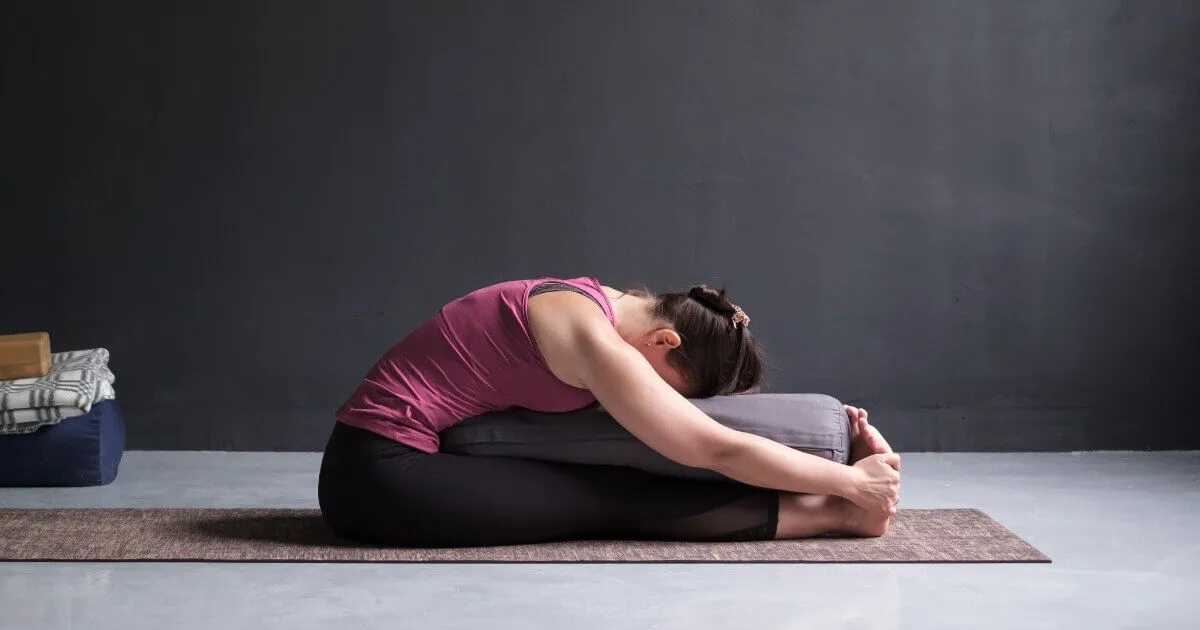
- Caterpillar Pose: Lengthens the hamstrings and soothes the nervous system.
- Sphinx Pose: Gently strengthens the lower back and promotes spinal health.
Each of these poses is held for 2–5 minutes, allowing deep tissue release and nervous system regulation.
Integrating Yin Yoga into Training Cycles
Yin yoga doesn’t need to replace existing workouts; it complements them. Athletes can integrate short yin sessions during cooldowns or dedicate one to two full sessions weekly for recovery.
Suggested Integration:
- Post-training: 15-minute sequence targeting tight areas
- Rest days: 45–60 minutes full-body yin session
- Pre-sleep: 10-minute gentle stretch to calm the nervous system
Addressing Common Athletic Injuries with Yin
Yin yoga’s gentle, sustained pressure aids in healing chronic conditions like:
- Plantar Fasciitis: Through toe stretches and foot-focused postures
- IT Band Syndrome: Releasing lateral fascia with poses like Shoelace
- Lower Back Pain: Spinal extensions and twists help decompress vertebrae
Although yin yoga is not a substitute for medical treatment, it significantly enhances healing and mobility when used consistently alongside physiotherapy or strength work.
Mental Focus and Breath Control
Performance isn’t only physical. Athletes also require mental resilience. Yin yoga builds this through breath awareness and mindfulness. The stillness of each posture becomes a mirror for mental discipline—learning to stay present despite discomfort is a transferable skill across any sport.
Breath regulation also improves VO2 max efficiency and stress control under pressure. Techniques like nasal breathing and silent breath observation train the mind to remain calm during competition.
Longevity in Sport: Yin Yoga as a Sustainable Practice
Athletes are often forced into early retirement due to overuse injuries or burnout. Yin yoga offers a sustainable way to maintain joint health, regulate energy expenditure, and extend athletic lifespan.
Its focus on non-reactivity and surrender also shifts the athlete’s mindset from constant striving to long-term wellness—a philosophy that supports both peak performance and personal fulfilment.
Real-World Application: Case Studies
- Runners: Weekly yin sessions improve stride efficiency by releasing hamstring and hip tension.
- Weightlifters: Shoulder-focused yin reduces impingement risk and supports better posture.
- Triathletes: Yin aids in tissue regeneration between intense training blocks, minimising injury risk.
Building a Yin Yoga Toolkit
A proper yin yoga toolkit can make the practice more accessible and effective:
- Blocks and Bolsters: Provide support, especially in deep hip openers
- Blankets and Eye Pillows: Encourage relaxation and longer holds
- Wall Space: Useful for poses like Legs-Up-the-Wall
Studios such as Yoga Edition provide all necessary props in a serene, athlete-friendly environment, making them an excellent space to explore this practice safely.
FAQs About Yin Yoga for Athletes
How often should an athlete practise yin yoga?
Two to three times per week is optimal for recovery, mobility, and mental focus.
Is yin yoga suitable for high-performance athletes?
Absolutely. It’s increasingly adopted by professionals in football, athletics, martial arts, and dance.
Will yin yoga make me lose strength?
No. It improves flexibility and joint function without reducing muscle mass.
Can I do yin yoga after a workout?
Yes. It’s especially beneficial post-workout for easing tightness and calming the nervous system.
For athletes, performance is built not just in the gym or on the field but in moments of recovery and reflection. Yin yoga provides those moments—a pause between peaks, a breath between battles. By integrating yin into training regimens, athletes can cultivate resilience, prevent injury, and extend their careers with grace and balance.
