

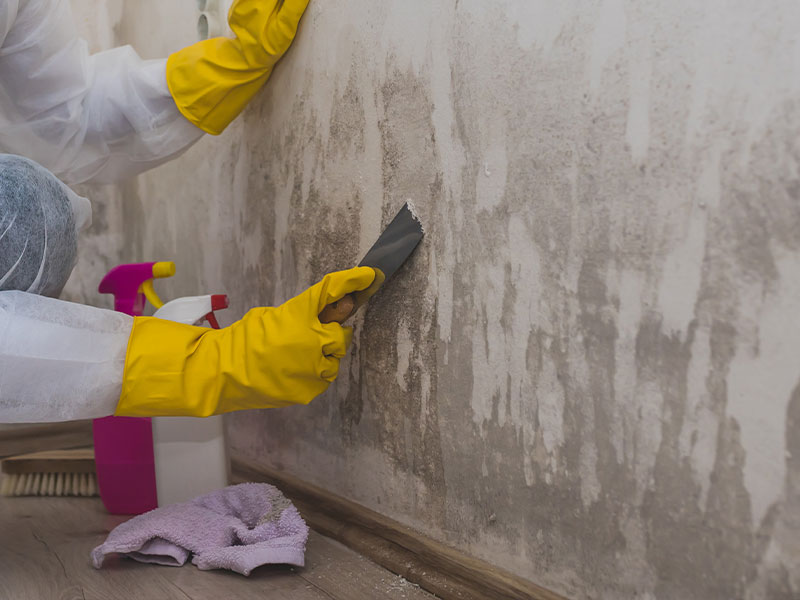
Mold Remediation in Georgia: Understanding the Basics
When it comes to mold remediation, it’s important to understand the basics of mold growth and the potential health risks it poses. Mold is a type of fungi that thrives in damp and humid environments, making Georgia, with its humid climate, a prime location for mold growth. Mold spores can easily spread through the air, attaching themselves to surfaces and multiplying rapidly under the right conditions.
1. The Science Behind Mold Growth
Mold growth begins with the presence of moisture. When there is excess humidity or water damage in a building, it creates the perfect breeding ground for mold. Mold spores, which are always present in the air, land on damp surfaces and start to grow and reproduce. As they feed on organic materials such as wood, paper, or fabric, they release enzymes that break down these materials, causing further damage.
Understanding the conditions that promote mold growth is crucial for effective remediation. High humidity, water leaks, inadequate ventilation, and condensation are all factors that contribute to mold infestations. By addressing these underlying issues, mold can be prevented from spreading and recurring in the future.
2. Common Types of Mold Found in Georgia
Georgia is home to several types of mold, and each one has its unique characteristics and potential health risks. Some of the most common types of mold found in Georgia include:
– Stachybotrys chartarum (Black Mold): This type of mold is known for its dark black or greenish color. It produces mycotoxins, which can cause respiratory issues and other health problems if inhaled.
– Aspergillus: Aspergillus is a common mold found in both indoor and outdoor environments. It can cause allergic reactions and respiratory infections, especially in individuals with weakened immune systems.
– Cladosporium: Cladosporium is a widespread mold that can be found in both warm and cold climates. It can trigger allergies, asthma, and respiratory infections in susceptible individuals.
– Penicillium: Penicillium is a mold commonly associated with water damage. It can spread rapidly and produce allergens and mycotoxins, which can lead to respiratory issues and allergic reactions.
– Alternaria: Alternaria is a mold that thrives in damp environments and can be found both indoors and outdoors. It can trigger asthma symptoms and cause allergic reactions.
3. Health Risks Posed by Mold Exposure
Exposure to mold can have a significant impact on your health, especially if you have pre-existing respiratory conditions or a weakened immune system. Some of the health risks posed by mold exposure include:
– Allergic Reactions: Mold spores can trigger allergic reactions, such as sneezing, coughing, itchy eyes, and skin rashes, in individuals allergic to mold.
– Respiratory Issues: Inhaling mold spores can irritate the respiratory system and lead to symptoms such as coughing, wheezing, shortness of breath, and exacerbation of asthma or other respiratory conditions.
– Infections: Certain types of mold, such as Aspergillus, can cause respiratory infections, particularly in individuals with weakened immune systems.
– Toxic Effects: Some molds produce mycotoxins, which are toxic substances that can cause a range of health issues, including neurological symptoms, respiratory problems, and immune system suppression.
It’s important to address mold infestations promptly to minimize the health risks associated with exposure. Hiring a professional mold remediation company is often the best option to ensure thorough and effective removal.
Choosing the Best Mold Remediation Company in Georgia
With numerous mold remediation services GA to choose from, selecting the right one for your needs can be a daunting task. To make an informed decision, consider the following factors:
1. Factors to Consider when Selecting a Mold Remediation Company
– Licensing and Certification: Ensure that the mold remediation company you choose is licensed and certified by relevant authorities. This ensures that they have the necessary training and expertise to handle mold remediation effectively.
– Insurance Coverage: It’s crucial to hire a company that carries liability insurance. This protects you in case of any accidental damages that may occur during the remediation process.
– Reputation and Reviews: Research the company’s reputation and read online reviews from previous customers. Look for companies with a solid track record of providing excellent service and customer satisfaction.
– Range of Services: Mold remediation involves more than just removal. Look for a company that offers comprehensive services, including mold testing, inspection, containment, removal, and sanitization.
2. Evaluating the Reputation and Experience of Mold Remediation Companies
When evaluating a mold remediation company’s reputation and experience, consider the following:
– Years in Business: Look for companies that have been operating for several years. This demonstrates their experience and ability to handle different mold remediation situations effectively.
– Industry Certifications: Check if the company holds certifications from reputable industry organizations such as the Institute of Inspection, Cleaning and Restoration Certification (IICRC). These certifications indicate a commitment to high industry standards.
– Client References: Request references from previous clients and follow up by contacting them. Ask about their experience with the company, the quality of the work performed, and the level of customer service received.
3. Comparing Pricing and Services Offered by Different Mold Remediation Companies
While cost should not be the sole determining factor, comparing pricing and the services offered by different mold remediation companies is essential. Obtain detailed quotes from multiple companies and consider the following:
– Scope of Work: Ensure that each company provides a detailed breakdown of the services they will provide. This will help you compare the level of thoroughness in their remediation plans.
– Guarantee or Warranty: Inquire about any guarantees or warranties offered by the company. This ensures that they will stand behind their work and address any issues that may arise after the remediation is complete.
– Hidden Costs: Clarify if there are any additional or hidden costs not outlined in the initial quote. This will help you avoid any surprises when it comes to billing.
Taking the time to research and compare different mold remediation companies will ensure you choose a reputable and reliable team to handle your mold problem.
The Mold Remediation Process: From Inspection to Restoration
The mold remediation process involves several crucial steps to effectively remove mold and prevent its recurrence. These steps include:
1. Initial Assessment and Mold Testing
The first step in the mold remediation process is a thorough inspection of the affected areas. This involves identifying visible signs of mold growth, as well as assessing hidden areas that may be affected. In some cases, mold testing may be necessary to identify the type and concentration of mold present.
Professional mold inspectors use a variety of techniques, including visual inspection, moisture meters, and air sampling, to assess the extent of the mold infestation. This information helps develop an accurate and customized remediation plan.
2. Developing a Customized Mold Remediation Plan
Once the mold has been identified and assessed, a customized remediation plan is developed. This plan outlines the specific steps and procedures required to effectively remove the mold and restore the affected area.
The plan will detail the containment measures to be implemented to prevent mold spores from spreading during the removal process. It will also outline the necessary personal protective equipment (PPE) for the remediation team to ensure their safety.
A comprehensive remediation plan should address not only the visible mold but also any underlying causes, such as water leaks or excess humidity. By addressing these underlying issues, the chances of mold recurrence are significantly reduced.
3. Containment, Removal, and Sanitization Procedures
Containment is a crucial step in mold remediation to prevent the spread of mold spores to unaffected areas. This involves sealing off the affected area using plastic sheets and creating negative air pressure to ensure that airborne mold spores are contained within the work area.
Once containment is established, the mold removal process can begin. Depending on the extent of the infestation, different techniques may be used, including HEPA vacuuming, damp wiping, and removal of contaminated materials such as drywall or insulation.
After the removal is complete, the affected area is thoroughly cleaned and sanitized using specialized antimicrobial cleaners to eliminate any remaining mold spores. This step is essential to ensure that the mold does not return.
If the mold has caused structural damage, restoration work may be required to repair and rebuild the affected area. This can involve replacing drywall, flooring, or other materials that were removed during the remediation process.
Preventing Future Mold Infestations: Tips and Best Practices
Mold prevention is key to maintaining a healthy and mold-free home. Here are some tips and best practices to prevent future mold infestations:
1. Maintaining Proper Indoor Humidity Levels
Mold thrives in humid environments, so it’s essential to keep indoor humidity levels in check. Ideally, indoor humidity should be kept below 60% to prevent mold growth. Using dehumidifiers and properly venting areas prone to moisture, such as bathrooms and kitchens, can help control humidity levels.
It’s also important to fix any water leaks promptly and ensure proper ventilation in areas where moisture is prevalent, such as attics and basements. By reducing excess moisture, you can significantly reduce the risk of mold growth.
2. Regular Inspections and Promptly Addressing Water Intrusion Issues
Regular inspections of your home are crucial to identify and address any water intrusion issues promptly. Check for signs of leaks in plumbing fixtures, roofs, or windows, and repair any problems as soon as they are detected.
If you experience water damage from flooding or heavy rainfall, it’s essential to dry and clean the affected areas promptly. Mold can start growing within 24 to 48 hours after water damage, so acting quickly is crucial to prevent mold infestations.
3. Mold Prevention Strategies for Different Areas of the Home
Different areas of the home require specific mold prevention strategies. Here are some tips for preventing mold growth in specific areas:
– Bathroom: Use exhaust fans or open windows to reduce humidity levels after showers or baths. Regularly clean and dry bathroom surfaces to prevent mold growth.
– Kitchen: Properly ventilate when cooking or using the dishwasher to reduce moisture. Clean up any spills or leaks promptly and ensure proper ventilation in the kitchen area.
– Basement: Ensure proper drainage around the foundation and install a sump pump if necessary. Use a dehumidifier to control humidity levels and consider waterproofing basement walls to prevent moisture infiltration.
– Attic: Ensure proper ventilation in the attic to reduce humidity levels. Insulate and weatherize the attic to prevent moisture buildup and potential mold growth.
By implementing these preventative measures, you can significantly reduce the risk of mold infestations and maintain a healthy indoor environment.
In conclusion, mold remediation is essential for maintaining a safe and healthy living environment in Georgia. Understanding the basics of mold growth, the common types of mold found in the area, and the potential health risks is crucial for effective remediation.
When choosing a mold remediation company, consider factors such as licensing, reputation, and the range of services offered. Comparing pricing and understanding the remediation process, from inspection to restoration, will ensure you make an informed decision.
Finally, preventing future mold infestations through proper humidity control, regular inspections, and targeted mold prevention strategies will help maintain a mold-free home. By following these tips and best practices, you can protect your property and the health of your family from the harmful effects of mold.
FAQ
Question: What are the common types of mold found in Georgia? Answer: Common types of mold found in Georgia include Stachybotrys chartarum (Black Mold), Aspergillus, Cladosporium, Penicillium, and Alternaria.
Question: What are the health risks posed by mold exposure? Answer: Exposure to mold can lead to allergic reactions, respiratory issues, infections, and toxic effects.
Question: How do I choose the best mold remediation company in Georgia? Answer: When selecting a mold remediation company, consider factors such as licensing, insurance coverage, reputation, and range of services offered.
Question: How can I evaluate the reputation and experience of mold remediation companies? Answer: Evaluate a mold remediation company’s reputation through their years in business, industry certifications, and client references.
Question: What should I consider when comparing pricing and services offered by different mold remediation companies? Answer: Compare pricing and services offered by different mold remediation companies, considering the scope of work, guarantees, and any hidden costs.
Question: What is the mold remediation process? Answer: The mold remediation process involves initial assessment and mold testing, developing a customized remediation plan, containment, removal, sanitization, and potentially restoration.
Question: How can I prevent future mold infestations? Answer: To prevent future mold infestations, maintain proper indoor humidity levels, promptly address water intrusion issues, and implement targeted mold prevention strategies for each area of the home.
Question: How can I maintain proper indoor humidity levels? Answer: Use dehumidifiers and properly vent areas prone to moisture, such as bathrooms and kitchens, to maintain proper indoor humidity levels.
Useful Resources:
- Environmental Protection Agency (EPA) – Mold
- Centers for Disease Control and Prevention (CDC) – Mold
- American Industrial Hygiene Association (AIHA) – Mold Remediation Guidance
- Institute of Inspection, Cleaning and Restoration Certification (IICRC) – Global Locator
- EPA – Mold Cleanup in Schools and Commercial Buildings Guide
- Occupational Safety and Health Administration (OSHA) – Mold
- The Dry Guys – Mold Remediation Guide
- Mold-Help Organization
