

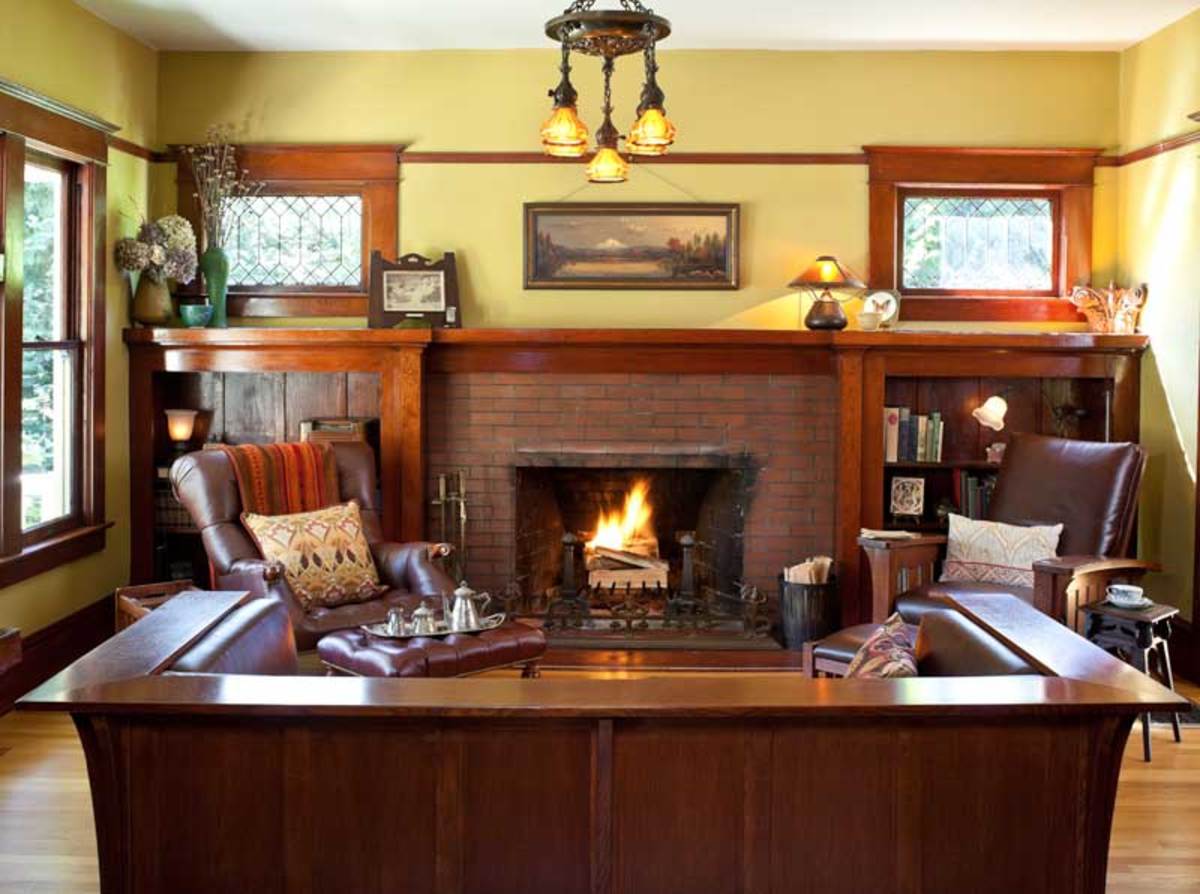
The Essence of Craftsmanship in Antique Fireplaces
In the realm of antique interiors, the fireplace stands as a centerpiece of craftsmanship and historical beauty. As summarized from a discussion with experts at Thornhill Galleries, a renowned purveyor of fine antique fireplaces, the essence of craftsmanship in building these magnificent structures is paramount. The intricate details, the choice of materials, and the skillful hands that shape each element, all contribute to the grandeur and authenticity of antique fireplaces. Thornhill Galleries emphasizes that it’s not just about creating a functional hearth but about capturing a piece of history, an art form that resonates with the architectural styles of the past. The craftsmanship seen in these fireplaces is a testament to the artisans’ profound understanding and respect for traditional designs, ensuring that each piece not only serves its purpose but also tells a story of its era.
A Journey Through Time: The Origin of Fireplace Grates
The history of fireplace grates in the United Kingdom is a fascinating journey through time, reflecting the evolution of both function and fashion in home heating. The earliest fireplaces were simple affairs, mere pits in the middle of a room where a fire was built. As homes and buildings evolved, so too did the technology of heating them.
The Medieval Warmth: Early Fireplace Designs
In medieval times, large open hearths dominated the center of great halls in castles and manor houses. These fireplaces were essential for warmth and cooking but were inefficient and smoky. It was during this period that the concept of a raised grate began to take shape. By elevating the wood off the ground, air could circulate more freely, improving combustion and reducing smoke.
The Tudor Transformation: Refinement in Fireplace Design
The Tudor period saw significant advancements in fireplace design. The introduction of the chimney was revolutionary, dramatically improving the efficiency of fireplaces and allowing for the construction of smaller, more manageable grates. Tudor fireplaces were often ornately decorated, reflecting the wealth and status of the homeowner.
The Victorian Era: The Golden Age of Fireplace Grates
The Victorian era is often considered the golden age of fireplace design in Britain. During this time, fireplace grates became more than just functional items; they were works of art. The Industrial Revolution brought new materials and manufacturing techniques, allowing for more intricate and elaborate designs. Cast iron became a popular material for grates, thanks to its durability and ability to be molded into decorative shapes.
The Edwardian Elegance: A Shift in Style
The Edwardian period saw a shift in fireplace grate design, moving away from the heavy ornamentation of the Victorian era towards simpler, more elegant lines. The focus was on quality craftsmanship and materials, with an emphasis on creating a cozy, welcoming atmosphere in the home.
The 20th Century and Beyond: Modern Adaptations
Throughout the 20th century, the design of fireplace grates continued to evolve, reflecting changes in taste and technology. Today, antique fireplace grates are prized for their historical value and beauty, with collectors and homeowners seeking out unique pieces that reflect the craftsmanship and style of bygone eras.
The Art of Restoration: Preserving Antique Fireplace Grates
Restoring an antique fireplace grate is a delicate process that requires a deep understanding of the materials and techniques used in its original construction. Experts in restoration work tirelessly to preserve the historical integrity of these pieces while ensuring they are safe and functional for modern use.
The Importance of Authenticity
In restoring antique fireplace grates, maintaining authenticity is crucial. This involves using period-appropriate materials and techniques to repair or replace damaged parts. For collectors and enthusiasts, the value of an antique grate lies not just in its aesthetic appeal but in its historical authenticity.
The Challenge of Modern Adaptation
One of the challenges in restoring antique fireplace grates is adapting them for use in modern homes. This often involves retrofitting them to work with current heating technologies while preserving their antique character.
The Role of Fireplace Grates in Today’s Interiors
In contemporary interiors, antique fireplace grates serve as a bridge between past and present. They bring a sense of history and character to modern spaces, creating a focal point that is both functional and aesthetically pleasing.
Blending the Old with the New
Integrating an antique fireplace grate into a modern interior requires a thoughtful approach. Designers often use these pieces to add a touch of elegance and history to contemporary spaces, blending old and new elements to create a harmonious look.
The Future of Antique Fireplace Grates
As we look to the future, the appreciation for antique fireplace grates continues to grow. They are not only cherished for their historical significance but also for their craftsmanship and beauty. As modern design trends continue to evolve, these timeless pieces remain a testament to the artistry and skill of past generations.
Conclusion
The evolution of fireplace grates from simple, functional objects to intricate works of art reflects the broader history of interior design and home heating in the United Kingdom. As we continue to appreciate and preserve these beautiful pieces, we keep alive the rich history and craftsmanship of bygone eras, ensuring that they continue to bring warmth and beauty to homes for generations to come.
